November 11, 2026
Commercial asphalt paving services are fundamental to modern infrastructure, delivering resilient, load-bearing surfaces that enhance both the functionality and aesthetic appeal of commercial properties. From sprawling retail centers and corporate facilities to heavy industrial yards and municipal roadways, asphalt remains the material of choice due to its speed of installation, load distribution capabilities, and straightforward maintenance protocols. Understanding the technical aspects of asphalt composition, installation practices, and preventative preservation allows commercial property owners and facility managers to make informed decisions that maximize the longevity and performance of their pavement investments.
1. Essential Asphalt Materials
Examine Asphalt Composition
Asphalt pavement consists of a carefully proportioned mixture of aggregates, liquid asphalt binder, and mineral fillers. Aggregates, typically crushed stone, gravel, and sand, provide the structural framework and load-bearing capacity necessary to support vehicular traffic. The bitumen binder acts as a strong, waterproof adhesive, coating the aggregate particles and bonding them into a cohesive, flexible mass. Mineral fillers are added to improve density and reduce voids within the compacted mix. This balanced composition gives asphalt the unique ability to flex under heavy axle loads without catastrophic fracturing.
Apply Commercial Surface Treatments
Commercial pavement projects require specific application methods matched to site traffic patterns and operational goals. Dense-graded hot-mix asphalt is standard for heavy-traffic zones, including commercial parking lots, access lanes, and logistics depots, because it packs into an exceptionally durable, water-resistant surface. For access roads, expansive rural commercial properties, or secondary surfaces requiring added skid resistance and weather protection, chip sealing provides a practical surface treatment. By combining liquid asphalt with clean aggregate chips, chip sealing binds loose materials and provides a resilient wear layer that prevents surface moisture intrusion.
2. Practical Commercial Benefits
Endure Heavy Traffic Loads
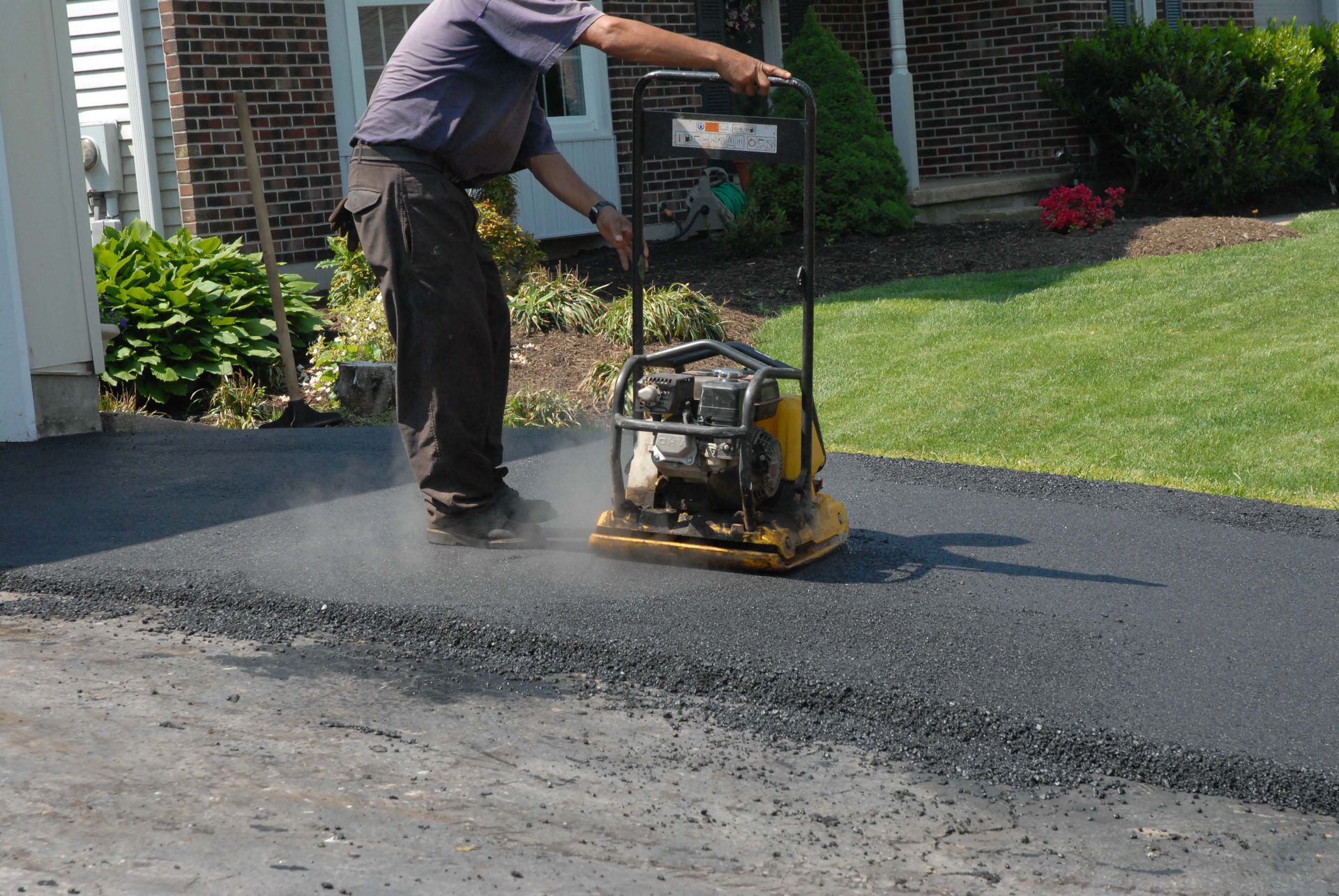
Commercial facilities experience demanding vehicular stress, from steady passenger car traffic to heavy freight trucks and delivery vehicles. Asphalt is engineered to withstand heavy axle weights by distributing loads across multiple compacted layers down into a prepared sub-base. When installed over a well-compacted subgrade, commercial asphalt resists rutting, shoving, and premature structural failure, ensuring reliable daily performance under continuous operational demands.
Reduce Operational Expenses
Asphalt offers practical economic advantages over alternative paving options. The rapid timeline of site grading, asphalt placement, and rolling compaction keeps initial installation labor costs low and reduces operational disruption. Moreover, targeted maintenance, such as periodic sealcoating, crack sealing, and localized hot-mix patching, allows property managers to address wear early, avoiding total pavement replacement and lowering long-term capital expenditures.
Minimize Business Disruptions
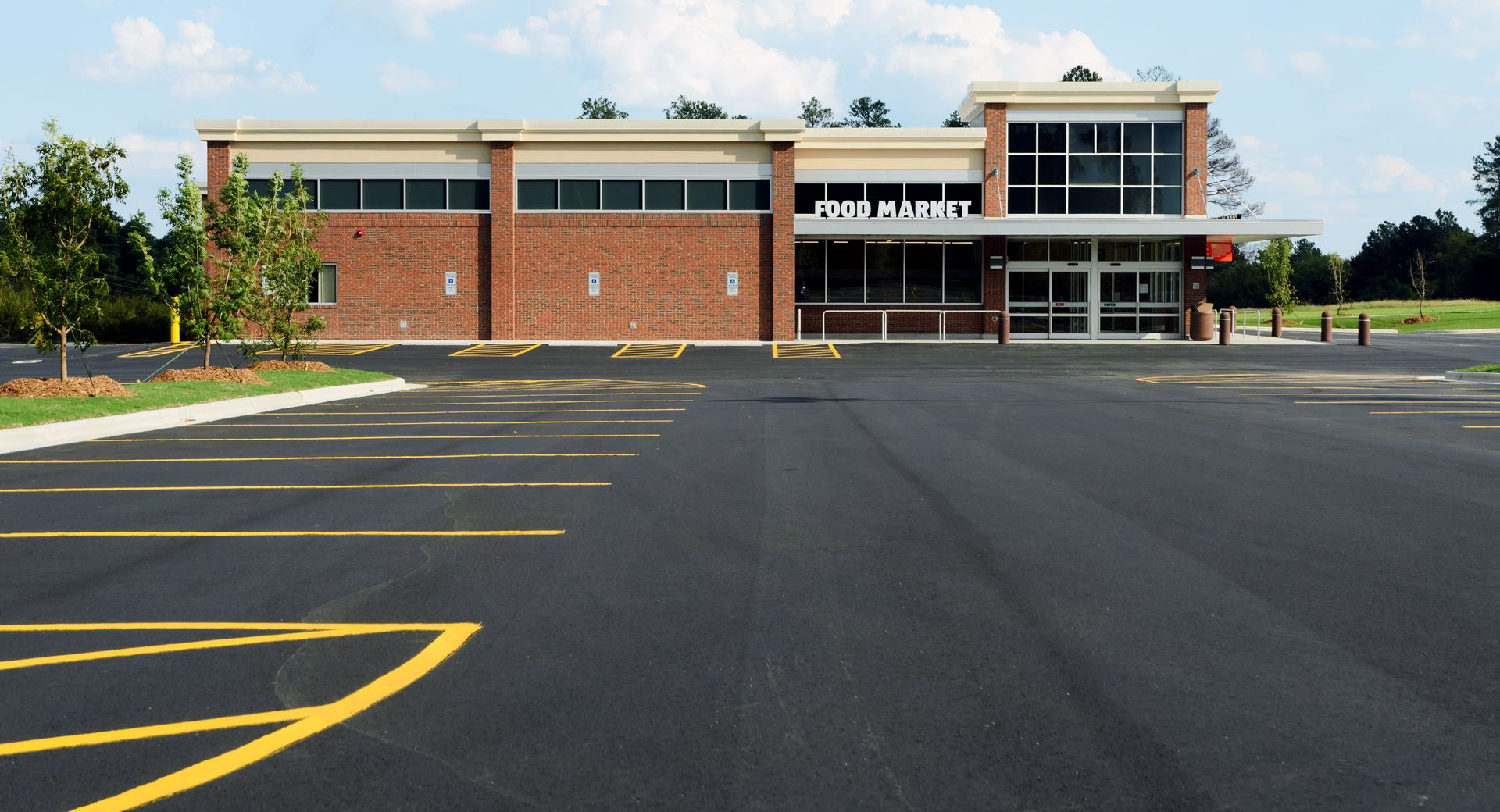
Commercial operations depend on accessible parking and unimpeded delivery routes. Commercial asphalt paving services ensure that asphalt can be laid and rolled efficiently, often curing sufficiently to handle vehicular traffic within 24 to 48 hours depending on ambient temperatures and design thickness. This rapid curing schedule prevents extended business closures, allowing corporate sites, shopping centers, and industrial facilities to maintain normal access throughout paving and resurfacing projects.
3. Critical Construction Steps
Stabilize Bases and Manage Drainage
A stable foundation and positive water runoff are the two primary factors determining the lifespan of commercial asphalt. Site preparation requires subgrade stabilization, excavation, and aggregate base compaction to support repeated heavy load cycles without rutting or subsidence. Concurrently, precise grading and drainage corrections must be implemented to eliminate low spots and prevent standing water. Channeling water away from paved edges preserves the underlying sub-base, preventing moisture intrusion that leads to premature cracking and subgrade erosion.
Build Multi-Layer Pavement Profiles
Commercial pavement structures are built using distinct layers designed for load distribution. Above the stabilized sub-base, a dense binder course is placed to supply the bulk of the structural support. Once the binder layer is compacted, a finer-aggregate surface course is laid on top. This upper layer provides a smooth driving surface, seals out moisture, and resists direct tire friction and weather-induced degradation.
4. Effective Preservation Practices
Conduct Routine Inspections
Proactive pavement management starts with routine visual evaluations. Facility managers should inspect asphalt surfaces for early indications of wear, including localized settling, micro-cracks, oil saturation near parking stalls, and blocked drainage channels. Catching minor surface flaws early prevents moisture from penetrating the foundation and causing deeper structural failures. Commercial asphalt paving services help properties avoid catastrophic damage by systematically addressing these early issues through scheduled evaluations.
Apply Commercial Sealants
Sealcoating is a foundational maintenance procedure that shields asphalt from environmental wear. Exposure to UV rays causes bitumen to oxidize, leading to embrittlement, graying, and surface cracks. Regular application of a commercial-grade sealant creates a resilient barrier against sun exposure, vehicle oils, and chemical spills while restoring a rich, dark finish across the pavement.
Seal Cracks and Patch Potholes
Water infiltration is the primary cause of asphalt failure. Surface fractures must be routed, cleaned, and filled with hot-pour rubberized crack sealants that remain flexible across seasonal temperature shifts. For localized areas where water has compromised the sub-base and caused potholes, crews perform hot-mix removal and patching, excavating the failing section down to solid material and compacting fresh asphalt to restore structural integrity.
5. Qualified Contractor Selection
Assess Heavy-Duty Project Backgrounds
Commercial and industrial paving demands larger equipment, heavier material specifications, and tighter operational schedules than residential paving. Commercial property managers should select professionals who specialize in commercial sites and demonstrate clear expertise in sub-base engineering, load-rated paving, and commercial layout design. Investing in experienced commercial asphalt paving services ensures that high-volume transit areas remain structurally sound under continuous fleet traffic.
Employ Dedicated In-House Crews
When selecting a commercial paving contractor, project consistency often depends on crew structure. Contractors operating with dedicated in-house personnel maintain tighter control over project timelines, material placement, and equipment handling compared to brokers who sub-out installation stages. Direct operational oversight ensures that base grading, asphalt compaction, and perimeter tie-ins meet the exact design specifications without communication breakdowns between disparate teams on the job site.
Inspect Paving Equipment Fleets
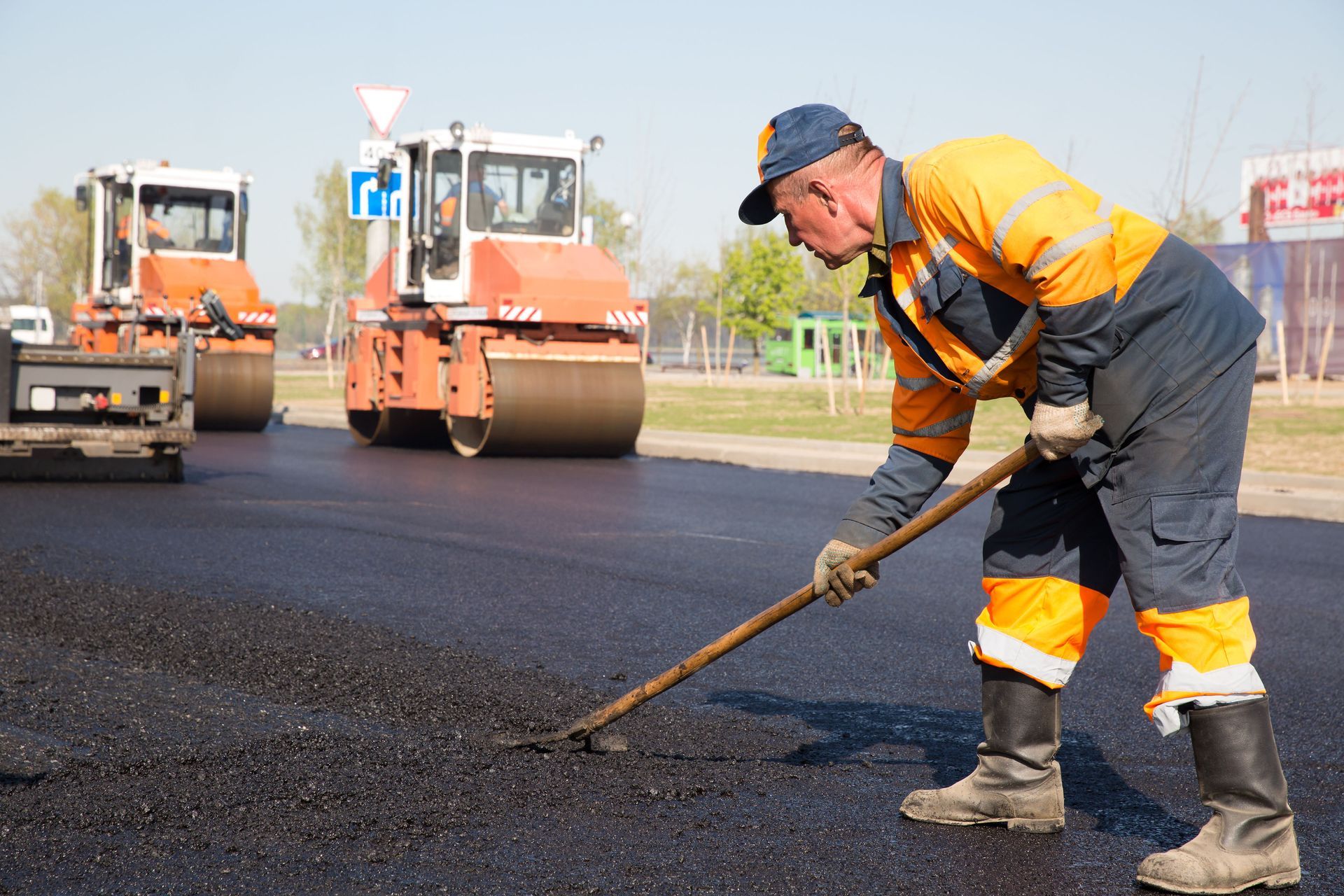
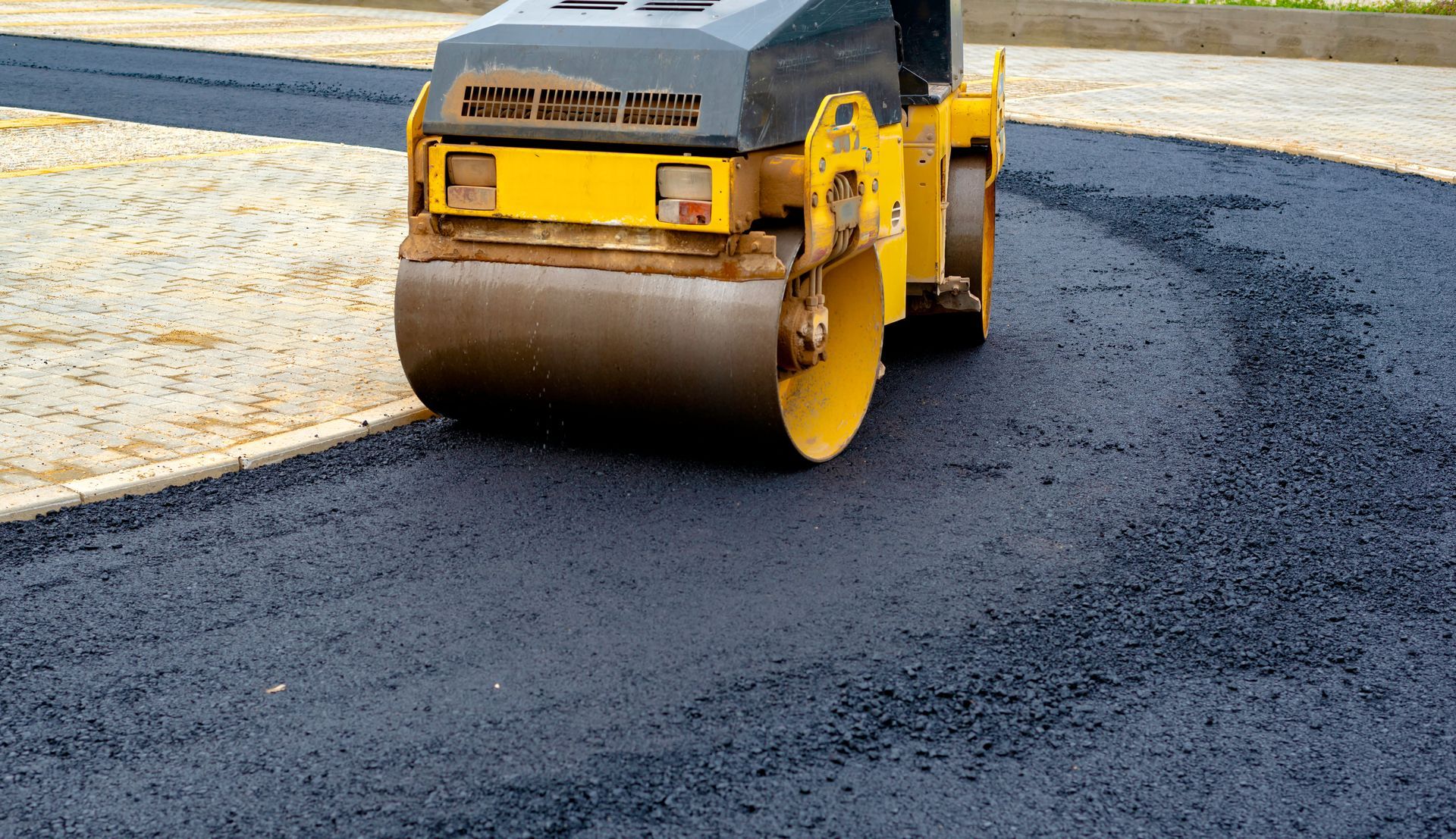
Commercial installations require dedicated machinery, including high-capacity paving machines, dual-drum vibratory rollers, milling units, and grading equipment. A contractor with a modern, well-maintained equipment fleet can handle large-scale paving, milling, and resurfacing without relying on third-party equipment rentals that can cause delays. Maintaining dedicated machinery also guarantees that crews can promptly respond to emergency surface repairs across regional commercial zones.
6. Modern Pavement Innovations
Incorporate Recycled Asphalt Mixes
Modern pavement facilities routinely process reclaimed asphalt pavement into newly produced mixes. Milled material from older roadways and parking lots is crushed, screened, and reintroduced to hot-mix blends. Re-incorporating this material preserves valuable aggregates and binder reserves, offering an effective, resource-conscious option for commercial paving projects. Comprehensive commercial asphalt paving services frequently utilize these reclaimed materials to promote environmental sustainability across major municipal developments.
Operate Precision Machinery Controls
Commercial paving equipment utilizes grade-control systems and automated screed controls to ensure accurate thickness and slope throughout the paving pass. These tools allow crews to lay smooth, continuous mats with uniform compaction, eliminating dips that lead to standing water and ensuring smooth transitions at curbs, catch basins, and transitions to existing pavements. According to Cognitive Market Research and Consulting, the asphalt paving market is expected to reach $49,462.7 million by 2033. High-precision commercial asphalt paving services will continue to drive this market forward by pairing automated controls with sustainable material mixes across the United States.
Reliable commercial asphalt relies on engineered site preparation, durable installation, and consistent surface care to handle demanding daily traffic. Whether developing new parking facilities, paving industrial access roads, or restoring existing surfaces with precision milling and sealcoating, quality workmanship protects your property’s safety and value. To discover how our dedicated in-house crews support commercial, municipal, and industrial projects across Northwest Arkansas, connect with Tommy's Asphalt NWA to learn more. Our professional team provides comprehensive commercial asphalt paving services designed to maximize pavement durability and performance.