June 12, 2026
Commercial asphalt paving plays a pivotal role in our daily lives, directly impacting the efficacy of transportation infrastructure. It serves as the foundational backbone for roads, parking lots, and various commercial areas. This not only facilitates the smooth flow of goods and services but also dictates how effectively businesses can operate. As urban areas continue to develop and expand, adopting high-quality asphalt paving becomes essential. This article explores why prioritizing quality in commercial asphalt paving is crucial for communities, businesses, and the environment.
Understanding Commercial Asphalt Paving
The Basics of Asphalt Composition
Asphalt, a composite material commonly used in road construction, comprises of mineral aggregate combined with a binder. The binder, typically bitumen, is a black, sticky substance that holds the aggregate together. When properly mixed, it creates a weather-resistant and durable surface suitable for high-traffic areas. The elasticity and viscosity of the asphalt binder are critical components, as they define the material's flexibility and durability. Proper understanding of asphalt composition helps industry professionals create stronger, more enduring pavements that withstand heavy use.
The quality of asphalt largely depends on the type of aggregate and the ratio in which it is mixed. Aggregates for asphalt paving are usually derived from crushing stones, gravel, slag, and sand. The overall durability of the surface is affected by the geographical source of these materials. Moreover, binders may sometimes contain additives to improve properties like adhesion, temperature stability, and lifespan. Consequently, by understanding the different elements involved in asphalt composition, contractors can make informed choices that enhance performance and durability.
As urban areas grow, selecting the right asphalt composition becomes even more crucial. Various environmental factors, such as temperature fluctuations and precipitation, affect the physical and chemical properties of asphalt. In response, innovations in formulation continue to address these challenges by providing solutions like temperature-resilient surfaces. Advancements in composition thus enable communities to maintain reliable infrastructure with better longevity. Quality asphalt paving ensures minimal disruptions and consistent functionality, even under changing weather conditions.
Types of Asphalt Used in Commercial Paving
Several types of asphalt are used in commercial paving applications, each suited to specific conditions and requirements. Hot mix asphalt (HMA) is the most common choice, known for its durability and flexibility. It is used predominantly in highways and high-traffic areas due to its ability to withstand heavy loads. Warm mix asphalt (WMA), another type, uses lower temperatures during production which leads to energy savings and reduced emissions. Lastly, cold mix asphalt is applicable for temporary fixes and low-traffic areas, offering affordability and ease of use.
Each type of asphalt serves particular needs based on several determining factors including cost, environmental considerations, and intended application. The use of reclaimed asphalt pavement (RAP) is becoming increasingly popular due to its cost-efficiency and environmental benefits. RAP involves recycling old pavement materials and mixing them into new asphalt, reducing waste and conserving resources. While choosing the type of asphalt, decision-makers need to weigh factors such as traffic density, local climate, and intended lifespan. A tailored approach in asphalt selection ultimately leads to optimized performance and sustainability.
Contractors and businesses must constantly keep in alignment with technological advancements in materials to promote enhanced quality and cost-effectiveness. The evolution of materials like polymer-modified asphalts introduces increased resistance to wear and deformation. Innovations grant improved lifespan and reduced user-delay costs by decreasing the necessity for frequent repairs. Staying informed about such developments ensures commercial areas gain resilient paving solutions. Combining the right type of asphalt with correct application techniques yields superior results conducive to commercial success.
Installation Process for Commercial Asphalt Paving
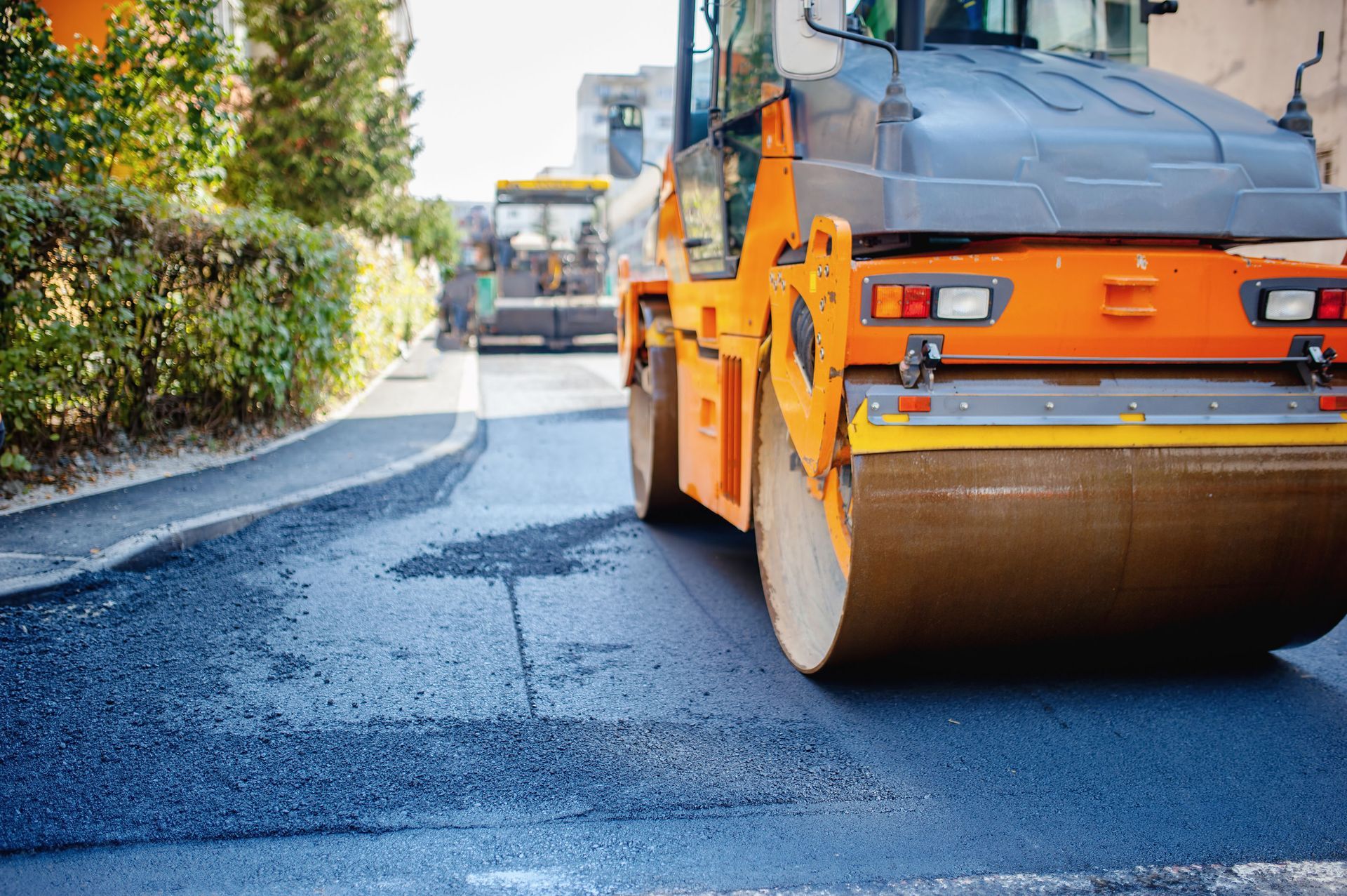
The installation process of commercial asphalt paving is a meticulous operation aimed at achieving longevity and performance. It begins with proper groundwork preparation, including essential tasks like clearing, grading, and compaction to ensure a sturdy base. A stable foundation is crucial as any lapse could result in problems such as settling and cracking. Following this is the meticulous application of the asphalt mixture, which must maintain a specific temperature to ensure even distribution. Compaction machines then complete the installation by applying pressure to shape and solidify the new pavement.
Precision in the installation process cannot be understated. The importance of employing experienced professionals and using advanced equipment is key in preventing errors like improper leveling or air voids within the pavement. These errors can manifest as major defects over time, requiring costly repairs and management disruptions. During installation, particular patterns are adopted to enhance the strong bonding of the asphalt layers. Each step contributes to building a robust pavement capable of tolerating various stressors such as heavy traffic and environmental elements.
As commercial infrastructures serve innumerable functions, adherence to best practices during installation is non-negotiable. Ongoing monitoring and infrastructure assessments ensure any potential defects are detected early. According to OneCrew, following a strategic sealcoating schedule every 2 to 3 years can transform a standard 15-year pavement lifespan into 25 or more years of service. Sealcoating acts as a protective layer, shielding against water, oil, and sun-induced damage. Proper installation and periodic maintenance combine to deliver pavements that are both enduring and efficient, fostering smooth business operations.
Factors Influencing Asphalt Quality
Several factors influence the quality of commercial asphalt paving, with materials used and environmental conditions at the forefront. The choice of binding agent, quality of aggregate, and mix temperature significantly impact asphalt's structural integrity. A high-quality binder ensures flexibility, reducing susceptibility to cracking under thermal expansion or heavy loads. Similarly, well-graded aggregate enhances compressive strength and stability. Mix temperature ties these components, impacting the workability and its resultant smooth finish.
Climate and local environmental conditions are further determinants of asphalt quality. Temperature fluctuations cause expansion and contraction, accelerating wear and tear. Understanding these variables allows for customization of mix designs adapted to specific climates. Innovations such as the use of warm mix asphalt (WMA) can counter cold-weather challenges, while reflective asphalt blends mitigate urban heat conditions. Adapting materials and techniques based on environmental nuances contributes to the longevity and reliability of pavements.
Contractor expertise and methodology are essential in ensuring high-quality results. Skilled professionals utilize precision instruments and adhere to rigorous quality control measures during asphalt paving projects. Stakeholders must evaluate contractor qualifications and past performance to corroborate their ability to deliver long-lasting, resilient pavements. The technical knowledge and attention to detail applied during installation help bolster pavement strength against demanding usage. Together, these quality influencers play a significant role in effective commercial paving solutions.
Common Challenges in Commercial Paving Projects
Like any major infrastructure project, commercial asphalt paving encounters various challenges demanding proactive measures. Commonly faced issues include budget constraints, maintaining project timelines, and unexpected environmental changes. Each pose unique risks to the overall success and durability of paving installations. Cost overruns often arise from material scarcity or unexpected design changes, making accurate forecasting vital. Timely project completion can also be jeopardized by uncontrollable factors like adverse weather conditions or resource availability.
Poor transportation management can also cause challenges during large-scale projects, disrupting traffic and impacting nearby businesses. Ensuring efficient routing and communication strategies mitigates such disruptions. Technical hurdles also arise during installation, such as achieving uniformity in compaction and addressing weak subgrades. Proper planning and skilled professionals adept at identifying and mitigating these issues are crucial in overcoming operational barriers. Continuous improvements in practices and technology bolster resilience against these common obstacles. Be sure to reach out to Tommy's Asphalt NWA today to learn more about our professional commercial asphalt paving!